Instructor Certification Program

Instructor Certification Overview

The National Aquatic Rescue Institute's Instructor Certification Program is designed to develop qualified, knowledgeable, and capable instructors who demonstrate both technical proficiency and effective instructional abilities.

NARI recognizes that being a competent rescue technician does not automatically make someone an effective instructor. Our instructor development process emphasizes operational experience, technical competency, instructional proficiency, and the ability to safely manage practical training environments.

Instructor candidates progress through a structured mentorship and evaluation process under the supervision of experienced NARI instructors, ensuring they can effectively deliver course material while maintaining the standards and instructional philosophy of the organization.
Instructor Candidate Prerequisites

Admission into the NARI Instructor Certification Program requires applicants to meet established prerequisites demonstrating operational experience, technical competency, and foundational instructional qualifications.

Minimum candidate requirements include:

- At least two years of documented operational experience in a relevant water rescue discipline.

- Successful completion of the NARI watermanship assessment.

- Possession of a current Fire Instructor I certification.

- Demonstrated competency in the technical skills associated with the course for which instructor certification is sought.

Meeting the minimum prerequisites does not guarantee acceptance into the program. Instructor candidates must be approved by NARI before beginning the certification process.

Instructor Development & Evaluation

NARI instructor certification is earned through a progressive, competency-based development process that combines mentorship, practical instructional experience, and documented performance evaluations.

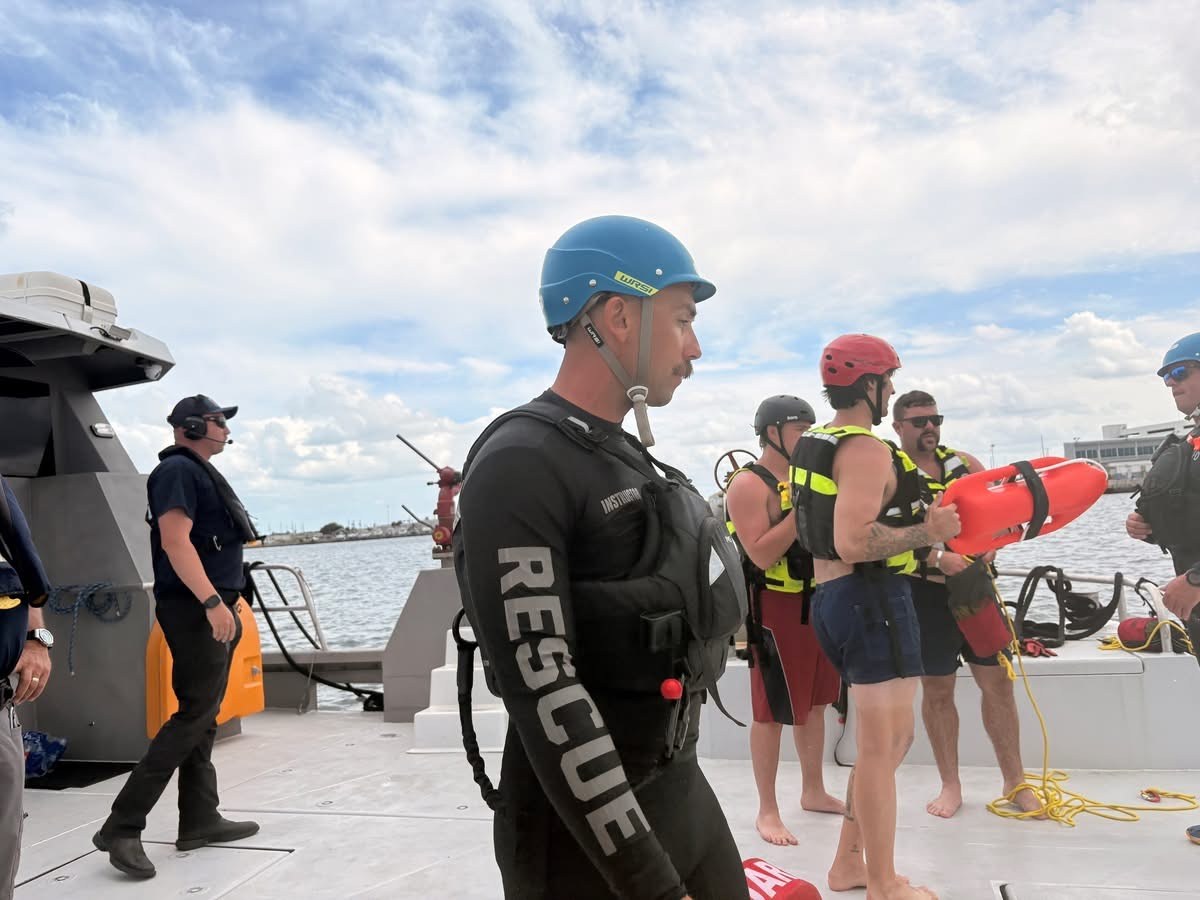
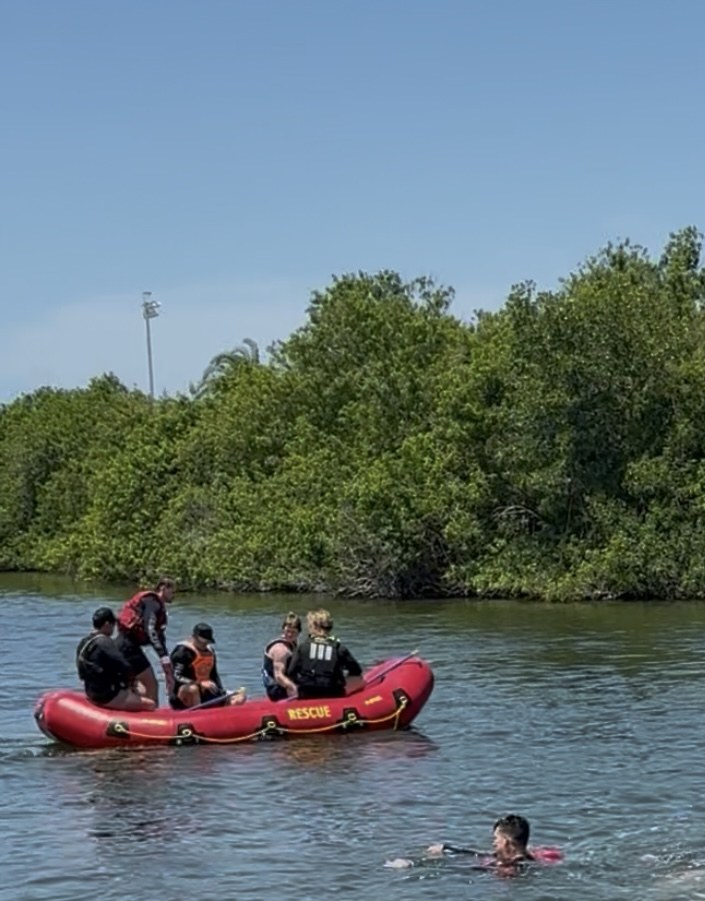
Instructor candidates are required to participate in a minimum of five Water Rescue Technician courses under the supervision of an authorized NARI lead instructor.

Throughout the program, candidates progressively assume instructional responsibilities through three phases:

-Observation: Candidates observe experienced instructors delivering classroom lessons, practical skills, and scenario-based training.

-Assisted Instruction: Candidates participate in lesson delivery, student supervision, practical skills instruction, and course management under direct supervision.

-Lead Instruction: Candidates independently deliver assigned lessons and practical training evolutions while being evaluated by an authorized lead instructor.

Progress is documented through an Instructor Competency Record, which tracks the candidate's development and proficiency across the instructional components of the course.

Candidates receive formal performance evaluations following each course and must demonstrate satisfactory competency in all required instructional areas before being considered for certification.

Certification & Instructor Standards

NARI instructor certification represents demonstrated technical competency, instructional proficiency, and the ability to deliver aquatic rescue education in accordance with established organizational standards.

Upon satisfactory completion of the instructor development process, competency documentation, and required evaluations, candidates may be recommended for certification review and approval.

Certified instructors are expected to maintain professional conduct, technical proficiency, instructional competency, and adherence to NARI's established policies and procedures.

Individuals interested in pursuing NARI instructor certification are encouraged to contact the National Aquatic Rescue Institute for information regarding eligibility, program requirements, and application procedures.